When it comes to designing the perfect outdoor space, you’ve likely heard terms like hardscaping and softscaping. While both are essential elements of landscape design, they serve very different purposes.
Understanding the difference between hardscaping and softscaping can help you make better decisions for your yard
Whether you’re starting from scratch or looking to update your existing space. Here we will break down the key differences, examples of each, and how they work together to create a functional, beautiful landscape for you to enjoy year after year.
What is Hardscaping?
Hardscaping refers to the non-living, man-made elements of your landscape design. These features include permanent or semi-permanent structures that help define the layout, usability, and overall aesthetic of your outdoor space. Unlike plants and grass, hardscape elements are built to last — providing long-term structure, improving functionality, and often increasing your property’s value. From walkways and patios to retaining walls and outdoor kitchens, hardscaping plays a vital role in how you move through and interact with your yard. It brings shape and stability to the landscape, creating visual contrast while reducing maintenance and enhancing year-round appeal.
Common Hardscape Features Include
-
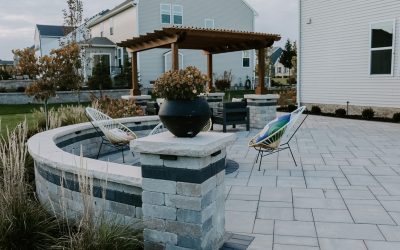
Patios and Decks: These provide a solid, comfortable space for outdoor living, dining, and entertaining. They create a natural extension of your home into the landscape.
-
Walkways and Stairs: Designed for function and flow, walkways guide movement through your yard while adding structure and style. Stairs help navigate changes in elevation safely and attractively.
-
Retaining and Decorative Walls: Retaining walls help manage slopes, prevent erosion, and add usable space. Decorative walls can define outdoor rooms or serve as attractive backdrops for plantings.
-
Outdoor Kitchens: Complete with countertops, grills, sinks, and storage, outdoor kitchens bring the heart of the home outside and make entertaining seamless.
-
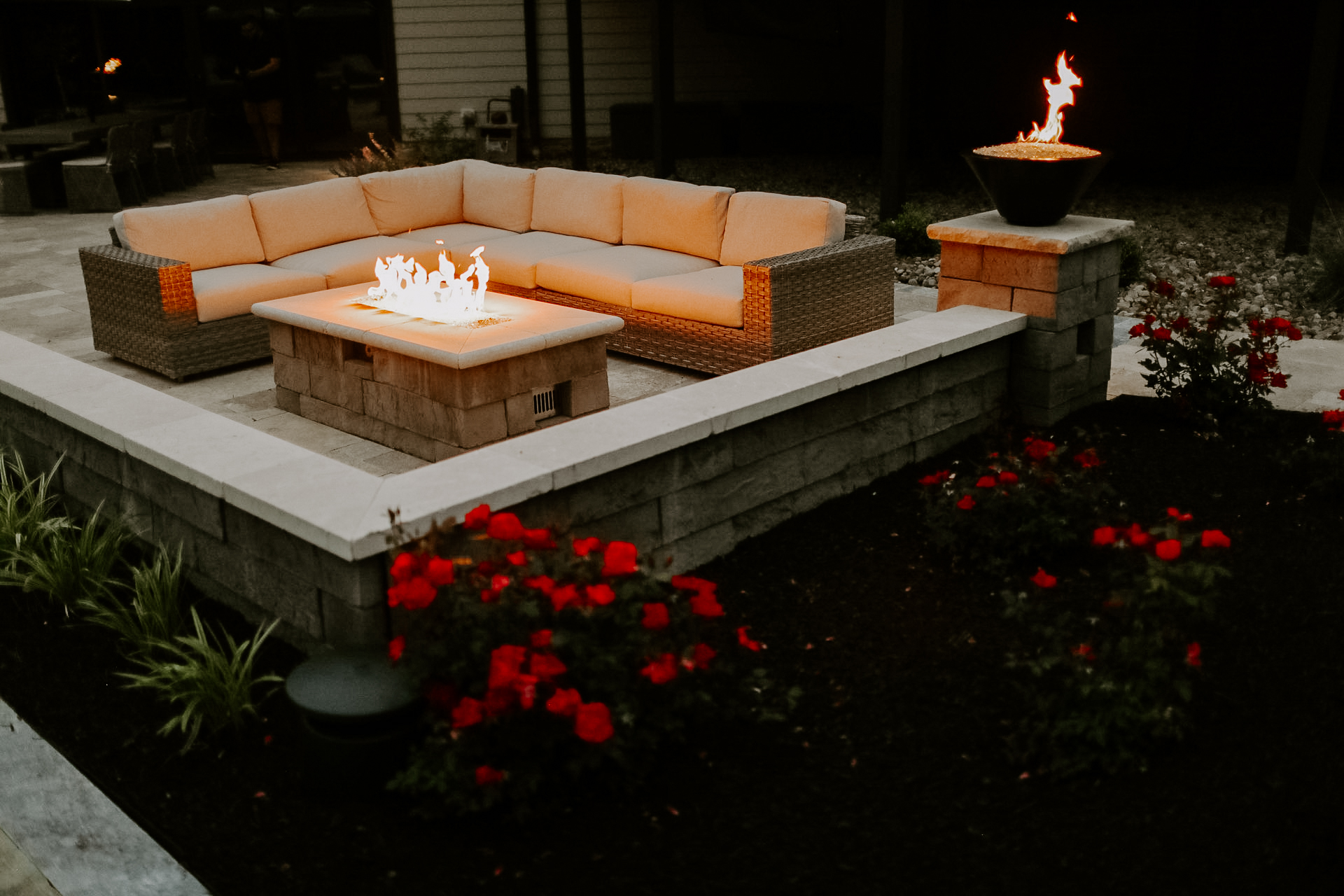
Fire Pits and Fireplaces: These features create cozy gathering spots, extend outdoor living into cooler seasons, and serve as stunning focal points.
-
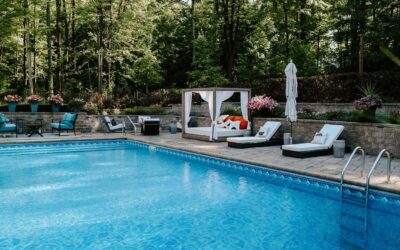
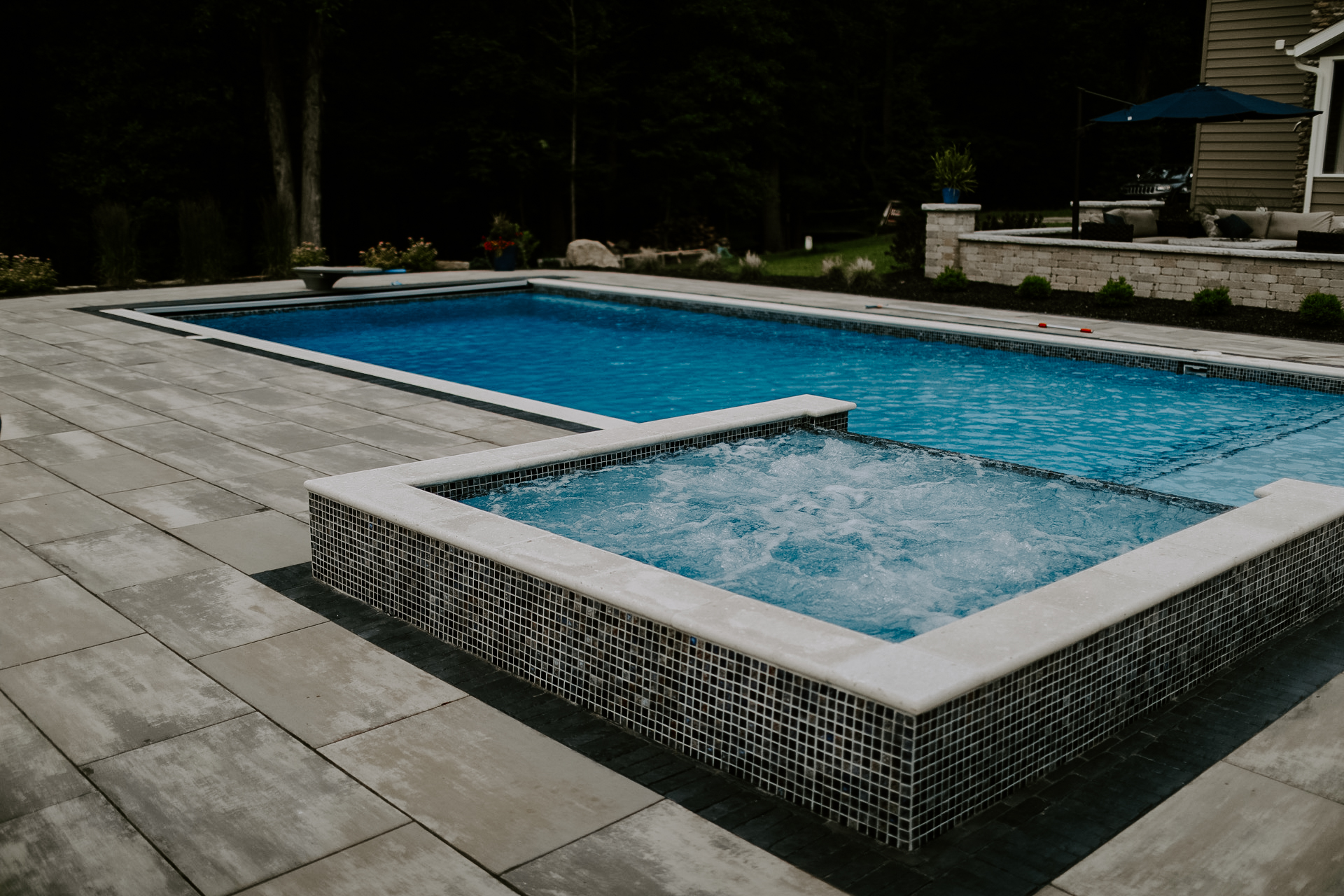
Pools and Water Features: From full-size swimming pools to small fountains or ponds, water elements bring tranquility, luxury, and a cooling presence to the landscape.
Benefits of Hardscaping
-
Adds Structure and Definition: Hardscaping creates clear boundaries, functional zones, and visual organization in your landscape. It helps bring balance and flow between natural elements and built features.
-
Reduces Maintenance: By minimizing the amount of turf or planted areas, hardscaping cuts down on watering, mowing, weeding, and seasonal upkeep — making your outdoor space easier to care for.
-
Improves Drainage and Erosion Control: Features like retaining walls, permeable pavers, and graded surfaces help manage water runoff, protect your soil, and prevent erosion on sloped areas.
-
Enhances Outdoor Living and Entertaining: Patios, decks, and fire features create inviting areas for relaxing, cooking, dining, and gathering — turning your yard into a true extension of your home.
-
Increases Property Value and Curb Appeal: Well-designed hardscaping not only boosts the visual appeal of your home but also adds lasting value by improving usability and long-term durability.
What is Softscaping?
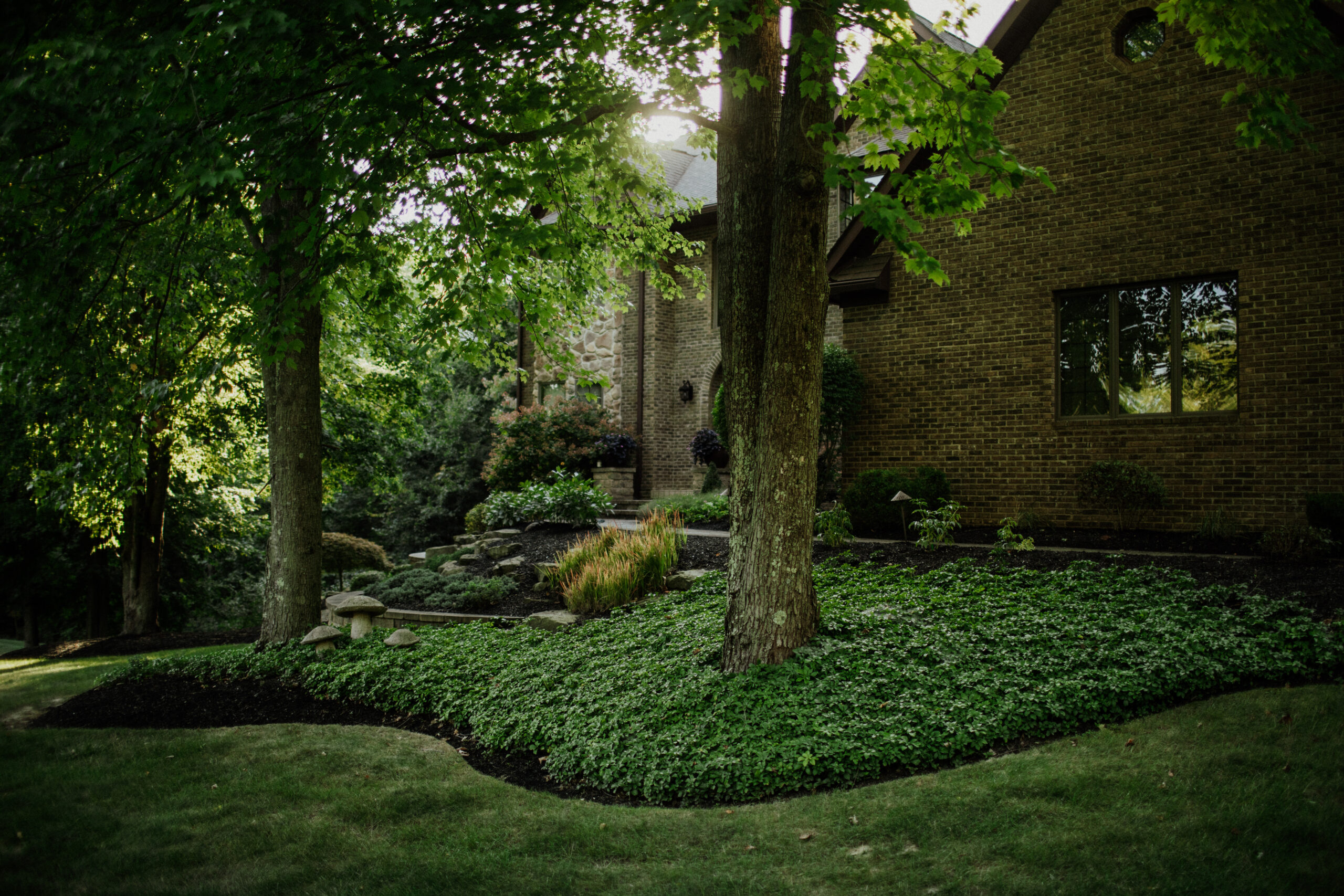
Softscaping refers to the living, organic elements of your landscape design — the plants, trees, flowers, and ground covers that bring natural beauty and movement to your outdoor space. These elements are what make a landscape feel alive and vibrant. Thoughtful softscaping adds color, texture, and seasonal interest while helping to soften the edges of hardscape features like patios and walkways. By selecting the right mix of shrubs, perennials, trees, and turf, you can create a landscape that reflects your personal style, supports local ecosystems, and evolves gracefully throughout the year. Softscape design is not just about aesthetics — it’s about creating a balanced, inviting environment that feels like an extension of your home.
Common Softscape Features Include
-
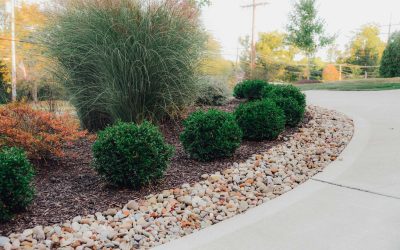
Shrubs, Trees, and Perennials: These long-lived plants form the backbone of your landscape’s natural beauty, providing structure, color, shade, and seasonal interest year after year.
-
Grasses and Ground Covers: Low-growing plants help fill in spaces, control erosion, and reduce weeds while adding texture and visual softness to your yard.
-
Flower Beds: Designed for color and fragrance, flower beds highlight key areas of your landscape and allow for creative, ever-changing displays of annuals and perennials.
-
Vegetable, Herb, or Fruit Gardens: These functional plantings offer beauty and productivity, allowing you to enjoy fresh, homegrown produce right from your backyard.
-
Mulch and Soil: While not plants themselves, these softscape components are essential for healthy roots, moisture retention, weed suppression, and overall plant success.
-
Seasonal Plantings (Annuals): Swapping in annuals throughout the year allows for vibrant color and variety, keeping your landscape fresh and eye-catching across the seasons.
Benefits of Softscaping
-
Adds Natural Beauty and Visual Appeal: Softscaping brings life, color, and texture to your landscape, creating a welcoming and visually dynamic environment that complements your home’s architecture.
-
Provides Shade, Privacy, and Habitat for Pollinators: Trees and shrubs offer practical benefits like cooling shade and natural screening, while flowers and native plants attract bees, butterflies, and birds — supporting local ecosystems.
-
Improves Air Quality and Cools Outdoor Spaces: Living plants absorb carbon dioxide, release oxygen, and help lower temperatures through natural transpiration, making your yard healthier and more comfortable.
-
Evolves with the Seasons and Your Style: Unlike hardscapes, softscaping can be refreshed and reimagined over time. You can change out plantings seasonally, experiment with color palettes, or adapt your garden to new trends and needs.
What's the Difference?